Immune System Support
4 Results
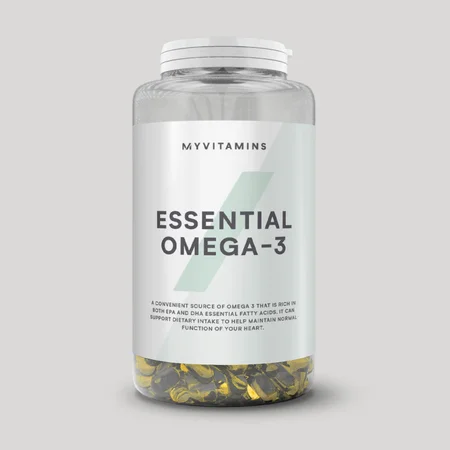
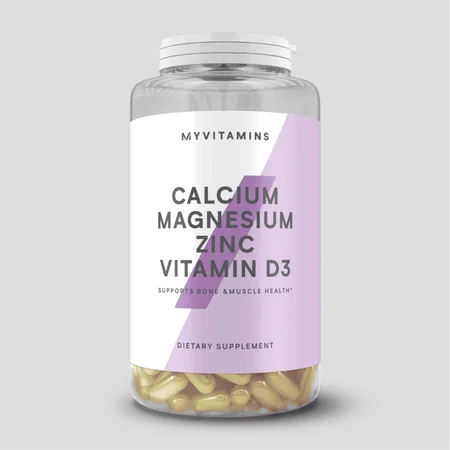
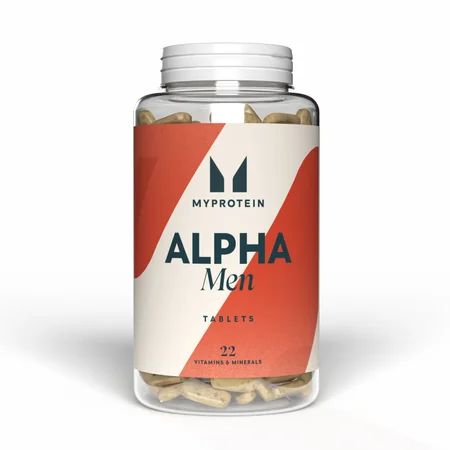
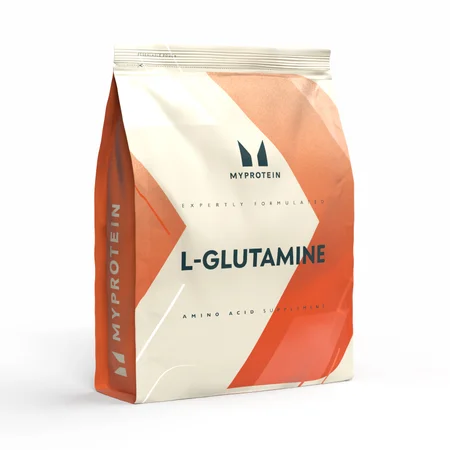
Shop Immune Health Supplements at Myprotein
Immune health supplements are a straightforward way to make sure your body has the key nutrients it needs, especially when diet alone isn't covering all the bases. From vitamin C and zinc to vitamin D, this range brings together some of the most well-researched micronutrients in convenient, easy-to-take formats — capsules, tablets, and powders — designed to fit into any daily routine.
Every product in this category is developed by Myprotein's expert nutritionists and made to the same high manufacturing standards you'd expect. Whether you're building a supplement stack from scratch or simply filling a gap in your diet, immune system supplements give you a reliable, no-fuss way to stay on top of your nutrition year-round.
Who These Are For
Immune system support supplements are popular with a wide range of people — athletes, office workers, frequent travellers, and anyone who wants to be consistent with their micronutrient intake. If your diet varies a lot week to week, or you live somewhere with limited sunlight for a good chunk of the year, targeted supplements like vitamin D and zinc are a practical way to keep your nutrient levels where you want them.
They're also a sensible choice for people who are particularly active. Training hard places additional demands on the body, and ensuring you're getting adequate vitamins and minerals is part of a well-rounded approach to overall nutrition. These aren't just for when you're feeling run down — many people take immune supplements consistently as a core part of their daily routine.
When to Use Immune System Support
Most immune health supplements are best taken daily, with food, to maintain consistent nutrient levels in the body. Vitamin D, for example, is fat-soluble, so taking it alongside a meal that contains some fat makes practical sense. Zinc and vitamin C are typically taken at any point during the day, though pairing them with food can help with tolerance.
Consistency matters more than timing with most of these supplements. A daily habit — whether that's morning with breakfast or evening with dinner — tends to be far more effective than sporadic use. If you're also training regularly, some people prefer to take their immune supplements away from intense exercise sessions, though there's no hard rule on this.
Immune System Support Benefits
Vitamin C and Normal Immune Function
Vitamin C is one of the most widely recognised nutrients for immune health. It contributes to the normal function of the immune system1, making it a staple in most immunity-focused supplement ranges. It's also water-soluble, meaning the body doesn't store it — so regular intake through diet or supplementation is the most reliable approach.
Vitamin D Throughout the Year
Vitamin D contributes to the normal function of the immune system2, and it's one of the nutrients most people in the UK and Northern Europe fall short on during autumn and winter. Supplementing during the darker months is a practical measure for maintaining adequate levels when sunlight exposure is limited.
Zinc for Everyday Nutrition
Zinc contributes to the normal function of the immune system3 and is found across a variety of foods — but intake can be inconsistent depending on diet. A zinc supplement provides a convenient, measured dose to sit alongside your existing nutritional habits, particularly useful for those following plant-based diets where zinc absorption from food can be lower.
Flexible Formats for Every Routine
This range comes in capsules, tablets, and powders, making it easy to find something that works for how you already take supplements. Single-ingredient options let you control exactly what you're taking, while combination formulas offer a simpler approach if you'd rather take one product instead of several.
Popular Picks
Impact Whey Mass Gainer — If you're working hard to build size and struggling to hit your calorie targets, Impact Whey Mass Gainer packs 388 calories, 30g of protein, and 50g of carbs into a single serving.
FAQs
What are immune health supplements?
Immune health supplements are products containing vitamins, minerals, and other nutrients that play a role in normal immune system function. The most common examples include vitamin C, vitamin D, and zinc — all of which contribute to the normal function of the immune system1. They're available in capsules, tablets, and powders, and are typically taken daily as part of a broader nutritional routine.
What are the best immunity supplements to take?
Vitamin C, vitamin D, and zinc are three of the most studied nutrients in relation to immune health. Vitamin C and zinc both contribute to the normal function of the immune system1, while vitamin D contributes to the normal function of the immune system2 and is particularly relevant for people in regions with limited sunlight. The right choice depends on your diet and what nutrients you're already getting from food.
How do immune system supplements differ from multivitamins?
Immune system supplements are typically focused on specific nutrients — like vitamin C, D, or zinc — at targeted doses. Multivitamins cover a broader range of micronutrients in a single product. If you have a specific gap in your diet, a standalone supplement gives you more control over the dose. If you're looking for general micronutrient coverage, a multivitamin may be more convenient.
When is the best time to take immune support supplements?
Most immune support supplements are best taken daily with food. Vitamin D is fat-soluble, so taking it with a meal containing some fat makes sense. Vitamin C and zinc can be taken at any point during the day, though food can help with digestive comfort. Consistency over time matters far more than the specific time of day you take them.
Can I take vitamin C and zinc together?
Vitamin C and zinc are commonly taken together and are found in many combination immune formulas. Both contribute to the normal function of the immune system1, and there's no widely documented issue with taking them at the same time. If you're taking high doses of either, it's worth checking in with a healthcare professional to make sure your overall intake is appropriate.
Are immune booster supplements suitable for athletes?
Immune health supplements are popular among athletes who train regularly and want to maintain consistent micronutrient intake. Vitamin C, for instance, contributes to the normal function of the immune system during and after intense physical exercise4 when taken at 200mg or more daily. Many active people include these supplements as a standard part of their nutrition plan alongside their training.
Who develops the immune supplements at Myprotein?
All immune system supplements at Myprotein are developed by Myprotein's expert nutritionists. Each product is formulated to deliver meaningful amounts of key micronutrients in formats that are practical for everyday use — whether that's capsules for simplicity or powders for those who prefer mixing into drinks.
How do I choose between supplements for immune system support?
Start with what your diet is already providing. If you eat plenty of citrus and leafy greens, vitamin C might be less of a priority than vitamin D or zinc. Single-ingredient supplements let you target specific gaps, while combination formulas are a good option if you'd rather simplify your routine. Reading the label for dosage information helps ensure you're getting a meaningful amount of each nutrient.
Do these supplements need to be taken every day?
Daily intake is generally recommended for immune system supplements, as consistent nutrient levels are more beneficial than occasional high doses. Water-soluble vitamins like vitamin C aren't stored in the body, so regular intake is particularly important. Building supplementation into an existing daily habit — like breakfast or an evening meal — is one of the most effective ways to stay consistent.
Are Myprotein immune supplements suitable for vegetarians and vegans?
Many of the immune health supplements in this range are suitable for vegetarians and vegans, including capsule and tablet formats that use plant-based casings. Product pages include full ingredient and suitability information, so it's straightforward to check before purchasing. Zinc supplementation is particularly relevant for those on plant-based diets, where absorption from food sources can vary.
1. Vitamin C contributes to the normal function of the immune system.
2. Vitamin D contributes to the normal function of the immune system.
3. Zinc contributes to the normal function of the immune system.
4. Vitamin C contributes to maintain the normal function of the immune system during and after intense physical exercise. The beneficial effect is obtained with a daily intake of 200mg in addition to the recommended daily intake of vitamin C.