Amino Acids
5Results
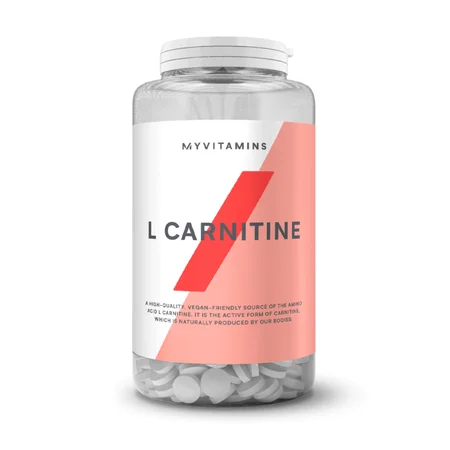
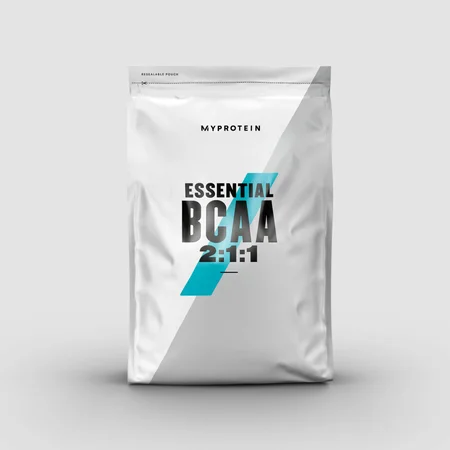
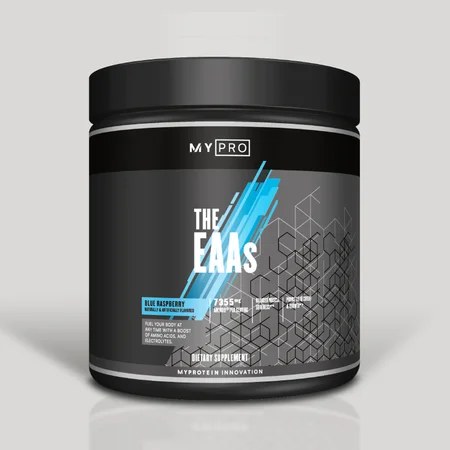
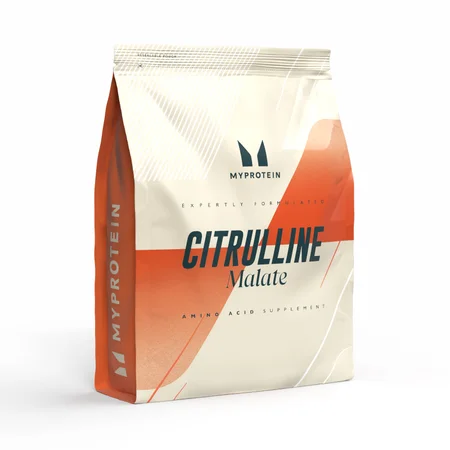
Shop Amino Acids at Myprotein
Amino acids are the building blocks of protein — the molecular structures your body uses to construct and repair every protein it needs. There are 20 amino acids in total, nine of which are essential, meaning the body can't produce them and they must come from food or supplementation. The amino acid range here covers everything from individual amino acids to comprehensive blends, in powder, capsule, and tablet formats.
Whether you're focused on hitting daily protein targets, rounding out a structured supplement stack, or simply filling gaps in your diet, there's a format and formulation here to fit. Protein contributes to the growth and maintenance of muscle mass1, and amino acid supplements are a targeted way to ensure you're consistently getting what you need.
Who Amino Acids Are For
Amino acid supplements are popular with anyone whose training load or dietary intake makes it harder to meet protein targets through food alone. That includes strength athletes, endurance trainers, and people following plant-based or calorie-restricted diets where certain amino acids — particularly the essential ones — are harder to source in sufficient amounts.
They're also a practical option for people who already eat plenty of protein but want a more targeted approach. Rather than another full protein shake, amino acid powders and capsules let you dial in specific compounds at specific times without the added calories or macros.
When to Use Amino Acids
Timing depends on the type of amino acid and how you're using it. Many athletes take amino acid powders around training — before, during, or after a session — as part of a broader nutrition strategy. Others use them at set points throughout the day to maintain consistent intake, particularly on higher-volume training days.
Capsule and tablet formats work well for those who prefer a quick, no-prep option away from training. Powders are more flexible and can be mixed into water, shakes, or other drinks. The right timing is the one you can stick to consistently.
Amino Acids Benefits
The Building Blocks of Protein
Amino acids are the structural units that make up every protein molecule in the body. Of the 20 amino acids, nine are classified as essential — leucine, isoleucine, valine, histidine, lysine, methionine, phenylalanine, threonine, and tryptophan — and must come from dietary sources. Supplementing ensures these essentials are consistently available, regardless of what the rest of your diet looks like that day.
Targeted Intake Without Extra Macros
A key reason athletes use standalone amino acid supplements is precision. Protein contributes to the maintenance of muscle mass1, and amino acids let you address specific gaps without adding significant calories, carbohydrates, or fat. That makes them especially useful during phases where total food intake is being carefully managed.
Flexible Formats for Different Routines
The range spans powders, capsules, and tablets, so there's a format that fits whether you're at the gym, at your desk, or on the move. Powders dissolve easily into water or shakes and are straightforward to adjust by serving size. Capsules and tablets are pre-measured and need no prep at all — useful when convenience matters.
Stacks Well With Other Supplements
Amino acids sit cleanly alongside other supplements. They're commonly paired with whey protein, creatine, and carbohydrate products as part of a structured stack. Because they're typically low in additional ingredients, they're easy to combine without doubling up on things you're already getting elsewhere.
Popular Picks
Impact Whey Mass Gainer — If you're working hard to build size, Impact Whey Mass Gainer packs 388 calories, 30g of protein, and 50g of carbs into every serving.
FAQs
What are amino acids?
Amino acids are organic compounds that form the structural basis of all proteins. There are 20 amino acids used by the human body, split into essential (must come from diet or supplementation), non-essential (the body can produce them), and conditionally essential (produced under normal conditions, but not always in sufficient amounts during periods of high physiological demand). Amino acid supplements deliver these compounds in concentrated, convenient form — as powders, capsules, or tablets.
What's the difference between amino acids and protein supplements?
Protein supplements like whey deliver a full spectrum of amino acids alongside other macronutrients. Amino acid supplements, by contrast, isolate specific compounds — BCAAs, glutamine, or individual essential amino acids — and deliver them without the additional calories or macros that come with a full protein serving. Both have their place; amino acid supplements are typically chosen for more targeted intake rather than as a primary protein source.
What are BCAAs and how do they relate to amino acids?
BCAAs — branched-chain amino acids — are a subset of three essential amino acids: leucine, isoleucine, and valine. They're named for their branched molecular structure and are among the most researched amino acids in sports nutrition. BCAAs are a component of protein, and protein contributes to the growth and maintenance of muscle mass1. BCAA supplements offer a way to prioritise these three without a full protein serving.
What are essential amino acids?
Essential amino acids (EAAs) are the nine amino acids the body cannot synthesise on its own: leucine, isoleucine, valine, histidine, lysine, methionine, phenylalanine, threonine, and tryptophan. They must be obtained through food or supplementation. EAA supplements typically contain all nine in a single serving, making them a comprehensive option for those who want full essential amino acid coverage without a complete protein shake.
What is glutamine and why do athletes use it?
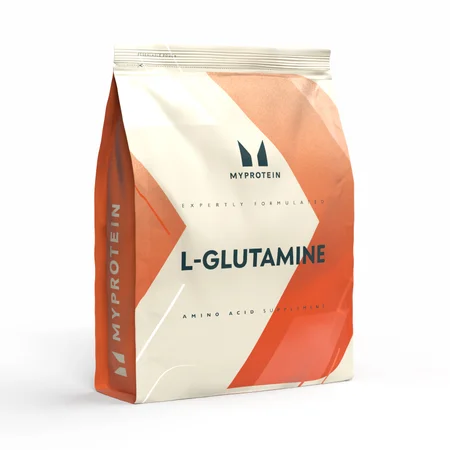
Glutamine is the most abundant amino acid found in muscle tissue and one of the most widely used amino acids in sports supplement stacks. It's classed as conditionally essential — the body produces it, but demand can outpace supply depending on training intensity and dietary intake. Many athletes include glutamine in their daily routine as a straightforward way to top up intake, particularly around training.
What amino acid supplement would you recommend for someone building muscle?
For those focused on muscle, protein intake is the foundation — protein contributes to a growth in muscle mass1. Impact Whey Mass Gainer delivers 30g of protein and 50g of carbs per serving, making it a practical choice for anyone working to increase overall intake. Standalone amino acid supplements, such as EAAs or BCAAs, can then be layered on top to target specific gaps in the amino acid profile.
What formats are amino acid supplements available in?
Amino acid supplements are available in powders, capsules, and tablets. Powders are the most flexible option — easy to adjust by serving size and simple to mix into water or existing shakes. Capsules and tablets are pre-dosed and need no preparation, which suits those who want something quick and portable. The right format comes down to personal preference and how it fits into your daily routine.
Who develops the amino acid supplements at Myprotein?
Myprotein's amino acid supplements are developed by an in-house team of expert nutritionists. Formulations are built around ingredient quality and accurate dosing, ensuring each product delivers what it says on the label in a form that's practical to use day to day.
Are amino acid supplements suitable for plant-based diets?
Many amino acid supplements in the range are suitable for plant-based diets, though it's always worth checking individual product labels for ingredient specifics. Plant-based eating can make it harder to hit targets for certain essential amino acids — particularly leucine — so targeted supplementation is a practical consideration for those following vegan or vegetarian nutrition plans.
How do I choose between individual amino acids and a full EAA blend?
Individual amino acid supplements — like standalone glutamine or lysine — are useful if you've identified a specific gap in your diet or want to target a particular compound. A full EAA blend covers all nine essential amino acids in one serving, which is a more practical starting point if you're less certain where your diet falls short. For most people beginning with amino acid supplementation, an EAA blend is the more comprehensive option.
1. Protein contributes to the growth and maintenance of muscle mass.