Protein Foods
5 Results

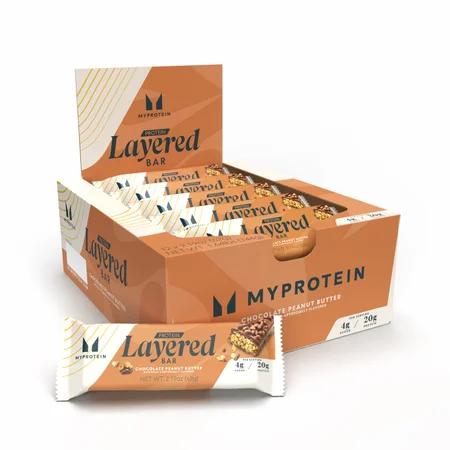
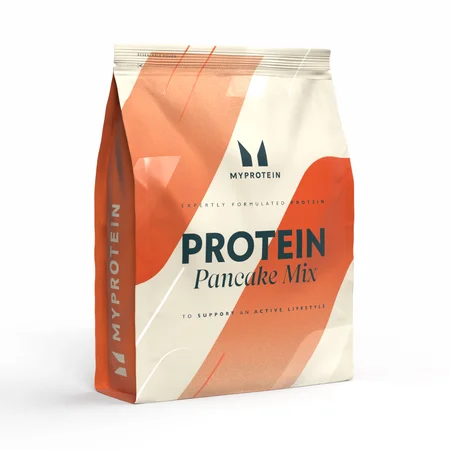
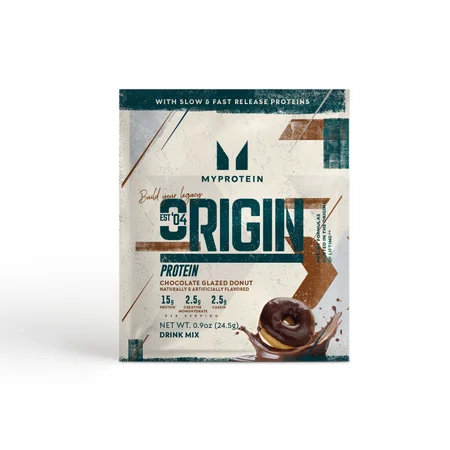
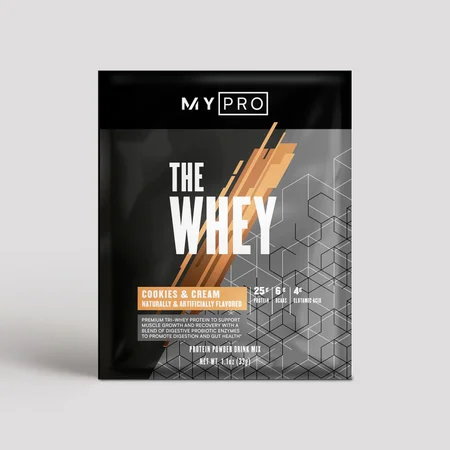
Shop Protein Foods at Myprotein
Protein foods are everyday staples reimagined with serious nutrition in mind. Whether you're hitting ambitious training targets or simply want more high protein foods in your diet without overthinking it, this range makes it straightforward. Each product is built around real protein content — not clever labelling or hollow promises — so you know exactly what you're getting with every serving.
From mass gainers to protein-rich foods designed for specific goals, the range spans formats that fit around real life. Protein contributes to the growth and maintenance of muscle mass1, and these products make it easy to hit your daily targets consistently — whether that's through a post-training shake or a convenient high-protein food option between meals.
Who Protein Foods Are For
These products are built for anyone who takes their protein intake seriously. That includes gym-goers looking to build or preserve lean muscle mass1, athletes with high daily calorie and macronutrient demands, and people who want to close the gap between what they eat and what their body actually needs from protein-rich foods. If you're tracking macros, these make the numbers easier to hit.
It's not exclusively a gym crowd, either. Anyone eating in a calorie surplus — whether for sport, activity, or specific body composition goals — will find something here that fits. High protein foods aren't just for elite athletes. They're for anyone who wants to eat with more intention and less guesswork.
When to Use Protein Foods
Timing depends on your goal and the specific product. A mass gainer like Impact Whey Mass Gainer — with 30g of protein and 50g of carbs per serving — works well after training when the body needs both protein and carbohydrates in volume. It's also a practical option earlier in the day when calorie and protein targets are hard to hit through whole food alone.
More broadly, high protein foods can slot in at any point where your meals are falling short on protein. That might be mid-morning, between meals, or as a convenient alternative when a full food prep session isn't realistic. The key is consistency — reaching your daily protein target matters more than hitting any specific window.
Protein Foods Benefits
Real Protein Content That Adds Up
Unlike protein-labelled products that barely register, the options here are built around meaningful doses. With products delivering 30g of protein per serving, hitting your daily protein total becomes far more manageable. Protein contributes to the growth and maintenance of muscle mass1 — so consistency and volume both matter.
Carbohydrates for Fuel and Recovery
Protein foods in this range aren't just about protein in isolation. Impact Whey Mass Gainer provides 50g of carbohydrates per serving alongside its protein content, making it a practical option for those with higher energy demands. Carbohydrates contribute to the maintenance of normal brain function2 and play a key role in fuelling demanding training sessions.
Convenience Without Compromise
Getting enough protein from whole food alone takes planning. These products simplify that — ready to mix, quick to prepare, and nutritionally consistent every time. For people juggling training, work, and real life, that reliability makes a meaningful difference to daily intake.
Designed Around Specific Goals
Not all protein foods are built the same, and that's intentional. Whether the goal is building mass, maintaining muscle1, or simply eating with more protein across the day, there's a format here that matches the brief. The range is developed by Myprotein's expert nutritionists to ensure every product does what it says on the label.
Popular Picks
Impact Whey Mass Gainer — Built for those who struggle to eat enough, Impact Whey Mass Gainer packs 388 calories, 30g of protein, and 50g of carbs into every serving.
FAQs
What are high protein foods?
High protein foods are foods or food products with a significant proportion of their calories or overall nutritional profile coming from protein. In the context of sports nutrition, these typically include protein shakes, mass gainers, and other fortified food products that deliver concentrated protein per serving — making it easier to hit daily intake targets without relying entirely on whole food sources like meat, eggs, or legumes.
What are the best protein foods for building muscle?
The best protein foods for building muscle are those that deliver a meaningful dose of protein consistently. Protein contributes to the growth and maintenance of muscle mass1, so products with high per-serving protein content are worth prioritising. Impact Whey Mass Gainer delivers 30g of protein per serving alongside 50g of carbohydrates, making it a strong option for those looking to build mass and meet high daily nutrition demands.
How much protein should I be eating each day?
Daily protein requirements vary depending on body weight, activity level, and goals. As a general benchmark, people engaged in regular resistance training often aim for 1.6–2.2g of protein per kilogram of bodyweight per day. Protein foods and supplements can help bridge the gap between what's achievable through whole food and what's actually needed to meet those targets consistently.
What's the difference between protein foods and regular protein supplements?
Protein foods sit at the intersection of food and supplementation — they're designed to function as part of a diet rather than as isolated nutritional add-ons. A mass gainer, for example, provides protein alongside carbohydrates and calories in a format that resembles a meal in nutritional terms. Standard protein supplements tend to focus purely on protein content with fewer overall calories. The right choice depends on your daily calorie target and overall dietary structure.
When is the best time to eat protein-rich foods?
Protein-rich foods can be consumed throughout the day to support consistent daily intake. After training is a common and practical window — particularly for products like mass gainers that combine protein with carbohydrates. Beyond that, protein foods work well as a between-meal option or as part of breakfast when daily targets are harder to hit early in the day.
Are protein foods suitable for people who aren't athletes?
Protein foods aren't exclusively for athletes or gym-goers. Anyone who wants more protein in their diet — whether for body composition goals, a busy lifestyle that makes food prep difficult, or simply a preference for high protein foods — can benefit from including them. The key is choosing a product whose calorie and macronutrient profile aligns with your overall daily intake.
What protein food products does Myprotein offer?
The protein foods range includes Impact Whey Mass Gainer, a product formulated for those with high protein and calorie demands, delivering 30g of protein and 50g of carbohydrates per serving. It's a straightforward, high-volume option for anyone looking to add protein-rich foods to a structured nutrition plan without overcomplicating things.
Who develops Myprotein's protein food products?
Myprotein's protein food products are developed by the brand's expert nutritionists. Every product in the range is formulated to deliver accurate, meaningful nutrition with consistent quality across every batch — so the label reflects what's actually in the product.
Can protein foods replace whole food protein sources?
Protein foods work best alongside whole food sources rather than as a direct replacement. Whole foods bring fibre, micronutrients, and dietary variety that supplements don't replicate. That said, protein foods and shakes are a practical and nutritionally reliable way to close gaps in daily protein intake when whole food options aren't convenient or sufficient in volume.
What should I look for when choosing protein-rich foods?
Start with protein content per serving — look for products that deliver a meaningful dose rather than a token amount. Beyond that, consider the overall calorie and carbohydrate profile relative to your goals. Someone aiming for a calorie surplus will have different requirements to someone focused purely on protein intake. Always check the ingredients and nutritional breakdown rather than relying on front-of-pack branding alone.
1. Protein contributes to the growth and maintenance of muscle mass.
2. Carbohydrates contribute to the maintenance of normal brain function.