Vitamins & Minerals
9 Results
Shop Vitamins & Minerals at Myprotein
Vitamins and minerals are the foundation of any solid nutrition strategy. Whether you're an athlete training hard or simply looking to fill the gaps in your daily diet, the right vitamin and mineral supplements give your body the micronutrients it needs to function at its best. From single-nutrient formulas to comprehensive multi-nutrient blends, this range covers everything from vitamin C, which contributes to the normal function of the immune system1, to vitamin D, which contributes to the maintenance of normal bones and normal muscle function2.
Every product is developed by Myprotein's expert nutritionists and is available in a range of formats — tablets, capsules, softgels, and powders — so you can build a supplement routine that actually fits your life. The range is straightforward to navigate: clear ingredient labels, precise dosages, and no unnecessary fillers.
Who Vitamins & Minerals Are For
Daily vitamins and minerals tablets aren't just for elite athletes. Anyone who wants to take a more considered approach to their nutrition can benefit from targeted micronutrient supplementation. If your diet has gaps — whether from a busy lifestyle, dietary restrictions, or high training volumes — a well-chosen vitamin and mineral supplement can help you cover the basics with confidence.
Active people in particular tend to have elevated micronutrient needs. Vitamin B12 contributes to normal energy-yielding metabolism3, iron contributes to the reduction of tiredness and fatigue4, and magnesium contributes to normal muscle function5 — all nutrients that matter when you're regularly pushing your body. This range is built for people who take their health seriously, from committed gym-goers to those simply looking to stay on top of their daily nutritional intake.
When to Use Vitamins & Minerals
Most vitamins and minerals are best taken with food — pairing them with a meal improves absorption and reduces the chance of any digestive discomfort. Fat-soluble vitamins like A, D, E, and K in particular are absorbed more effectively alongside dietary fat, so taking them at breakfast or dinner makes practical sense.
Timing beyond meals is largely down to personal routine and specific nutrient needs. The most important factor is consistency — taking your vitamin mineral supplement at the same time each day makes it far easier to build the habit. Some people prefer mornings to start the day covered; others stack their supplements alongside their post-training meal. Either way, regularity matters more than the clock.
Vitamins & Minerals Benefits
Immune Function
Several vitamins in this range play a recognised role in normal immune system function. Vitamin C contributes to the normal function of the immune system1, as does vitamin D6. For those training intensively, vitamin C also contributes to maintaining normal immune function during and after intense physical exercise7 — making it a practical inclusion in an active person's daily routine.
Bone and Muscle Support
Vitamin D contributes to the maintenance of normal bones and normal muscle function2, while calcium is needed for the maintenance of normal bones8. Magnesium contributes to normal muscle function and normal protein synthesis5. Together, these nutrients form a solid foundation for anyone looking to keep their musculoskeletal health in order.
Energy and Fatigue Reduction
B vitamins are key players in normal energy-yielding metabolism. Vitamin B123, vitamin B69, riboflavin10, and niacin all contribute to normal energy-yielding metabolism. Iron and vitamin B12 also contribute to the reduction of tiredness and fatigue4 — a combination worth considering if low energy levels are a regular concern.
Skin, Hair, and Nails
Zinc contributes to the maintenance of normal hair, skin, and nails11. Vitamin A contributes to the maintenance of normal skin12, and vitamin C contributes to normal collagen formation for the normal function of skin13. Whether you're looking to round out a beauty-focused routine or simply keep your body in good shape from the inside out, micronutrients do more than people often realise.
Popular Picks
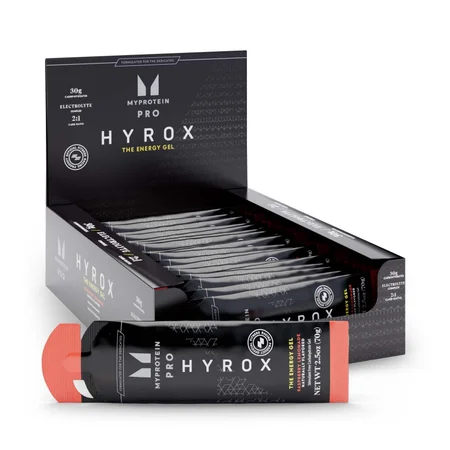
THE Energy Gel — Built for dedicated athletes, THE Energy Gel delivers 30g of carbohydrates per serving in a 2:1 maltodextrin-to-fructose ratio, with added electrolytes and B vitamins that contribute to the reduction of tiredness and fatigue.
Impact Whey Mass Gainer — Impact Whey Mass Gainer packs 388 calories, 30g of protein, and 50g of carbs into every serving, making it the straightforward choice for anyone serious about size.
FAQs
What are vitamins and minerals supplements?
Vitamins and minerals supplements are concentrated sources of essential micronutrients — the vitamins and minerals your body needs in relatively small amounts for a wide range of physiological processes. They come in formats including tablets, capsules, softgels, and powders, and are designed to complement your diet rather than replace whole foods. Each product in this range contains specific nutrients at measured dosages, so you know exactly what you're taking.
What is the difference between vitamins and minerals?
Vitamins are organic compounds — they come from plants and animals and can be broken down by heat, air, or acid. Minerals are inorganic elements found in soil and water that plants and animals absorb. Both categories are essential to normal body function. Fat-soluble vitamins (A, D, E, K) are stored in the body, while water-soluble vitamins (C and the B vitamins) need to be replenished more regularly through diet or supplementation.
What are the most popular vitamins and minerals?
Vitamin D, vitamin C, magnesium, zinc, and B vitamins are among the most widely used vitamin and mineral supplements. Vitamin D is particularly relevant in the UK and northern Europe where sunlight exposure is limited for much of the year. Vitamin C, magnesium, and zinc are popular across active populations for their roles in immune function, muscle function, and energy-yielding metabolism respectively.
Do I need to take daily vitamins and minerals?
Whether you need a daily vitamins and minerals supplement depends on your diet, lifestyle, and training demands. People with restricted diets, high activity levels, or limited sunlight exposure are more likely to have micronutrient gaps worth addressing. A varied, balanced diet should always be the first port of call — but for many people, a targeted vitamin mineral supplement is a practical way to cover the bases consistently.
What format of vitamin and mineral supplement is best?
The best format comes down to personal preference and how you like to take supplements. Tablets and capsules are convenient for daily routines and easy to dose accurately. Softgels work well for fat-soluble vitamins like D and E, as the oil-based formula can aid absorption. Powders offer flexibility if you prefer to mix your micronutrients into a drink. All formats in this range deliver the same precisely dosed nutrients.
Can I take multiple vitamins and minerals together?
Most vitamins and minerals can be taken together without issue. Some nutrient pairings actively work well in combination — vitamin C increases iron absorption14, for example, and vitamin D contributes to normal absorption of calcium and phosphorus15. For best results, take fat-soluble vitamins with a meal containing some dietary fat. If you're taking several individual supplements, reading the labels to check for overlapping dosages is always a sensible step.
Who developed Myprotein's vitamins and minerals range?
Myprotein's vitamins and minerals range is developed by Myprotein's expert nutritionists. Every formula is put together with clear ingredient transparency, precise dosages, and no unnecessary additives — so what's on the label is exactly what you're getting.
How do vitamins and minerals differ from other supplements like protein or creatine?
Vitamins and minerals are micronutrients — your body needs them in small amounts for normal physiological function, but they don't provide calories or macronutrients. Protein and creatine are macronutrient-based supplements with specific performance applications: protein contributes to the growth and maintenance of muscle mass16, while creatine increases physical performance in successive bursts of short-term, high-intensity exercise. Vitamins and minerals fill a different role — one focused on broader nutritional coverage rather than a single performance outcome.
Are vitamins and minerals tablets suitable for vegetarians and vegans?
Many products in this range are suitable for vegetarians and vegans, though this varies by product format. Softgels, for example, may use gelatin-based capsules derived from animal sources, while tablets and vegan capsules are typically suitable for plant-based diets. Always check the individual product label for ingredient and suitability information before purchasing.
Which vitamins and minerals are relevant for active people and athletes?
Active people tend to prioritise vitamin D for normal muscle function2, magnesium for normal muscle function and protein synthesis5, iron for the reduction of tiredness and fatigue4, and the B vitamin family for normal energy-yielding metabolism3. Vitamin C is also widely used among those training intensively, as it contributes to maintaining normal immune function during and after intense physical exercise7. The right combination depends on your training, diet, and individual needs.
1. Vitamin C contributes to the normal function of the immune system.
2. Vitamin D contributes to the maintenance of normal bones. Vitamin D contributes to the maintenance of normal muscle function.
3. Vitamin B12 contributes to normal energy-yielding metabolism.
4. Iron contributes to the reduction of tiredness and fatigue.
5. Magnesium contributes to normal muscle function. Magnesium contributes to normal protein synthesis.
6. Vitamin D contributes to the normal function of the immune system.
7. Vitamin C contributes to maintain the normal function of the immune system during and after intense physical exercise.
8. Calcium is needed for the maintenance of normal bones.
9. Vitamin B6 contributes to normal energy-yielding metabolism.
10. Riboflavin contributes to normal energy-yielding metabolism. Riboflavin contributes to the reduction of tiredness and fatigue.
11. Zinc contributes to the maintenance of normal hair. Zinc contributes to the maintenance of normal skin. Zinc contributes to the maintenance of normal nails.
12. Vitamin A contributes to the maintenance of normal skin.
13. Vitamin C contributes to normal collagen formation for the normal function of skin.
14. Vitamin C increases iron absorption.
15. Vitamin D contributes to normal absorption/utilisation of calcium and phosphorus.
16. Protein contributes to a growth in muscle mass. Protein contributes to the maintenance of muscle mass.