Dairy-Free Protein Powders
5 Results
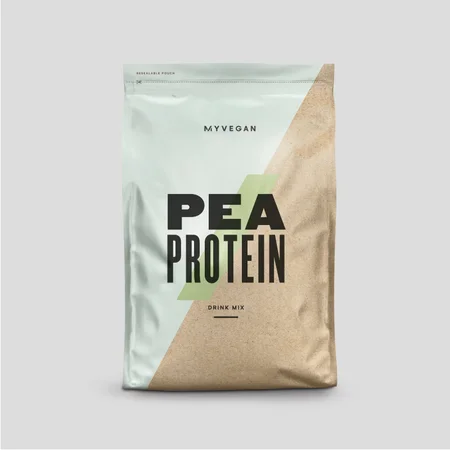
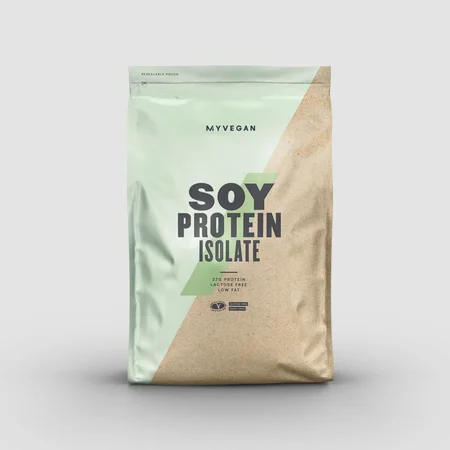
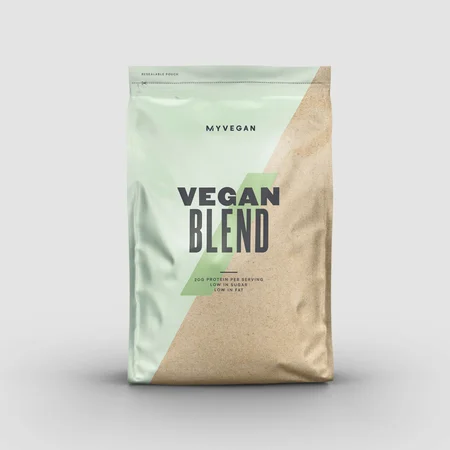
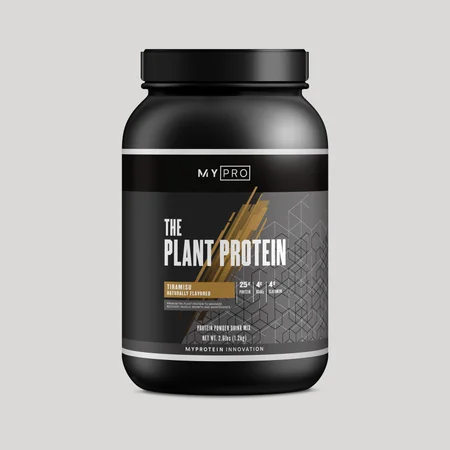
Shop Dairy-Free Protein Powders at Myprotein
Lactose free protein powder doesn't mean compromising on quality or results. Myprotein's dairy-free protein powders are built for people who want clean, effective protein without any milk-derived ingredients — whether that's down to dietary preference, intolerance, or a fully plant-based lifestyle. From pea and soy to rice and hemp, there's a non dairy protein powder here to fit your routine.
Every formula is developed by Myprotein's expert nutritionists to deliver the protein content your training demands. Protein contributes to the growth and maintenance of muscle mass1 and to the maintenance of normal bones2 — so whatever your goal, getting enough of it matters. These dairy-free options make that straightforward, with no lactose and no compromise on nutritional quality.
Who Dairy-Free Protein Powders Are For
The most obvious fit is anyone avoiding dairy — whether you're lactose intolerant, vegan, or simply cutting animal products from your diet. A good dairy free protein powder gives you a reliable, high-protein option that works with your lifestyle rather than against it. If you've ever experienced discomfort after whey-based shakes, switching to a plant-based or dairy-free alternative is worth trying.
That said, dairy-free protein powders aren't exclusively for people with dietary restrictions. Plenty of people who can tolerate dairy still choose plant-based options for ethical or environmental reasons — and the protein content speaks for itself regardless of the source. If you're hitting the gym, training for endurance, or simply trying to keep your protein intake consistent day to day, these powders are a practical choice.
When to Use Dairy-Free Protein Powders
Post-training is the most common window people reach for protein powder, and dairy-free options work just as well here as any other format. Mix a scoop with water or your preferred plant-based milk, and you've got a fast, convenient way to hit your protein targets after a session. Many people also use them between meals to keep protein intake steady throughout the day.
Dairy-free protein powders are also versatile enough to work in recipes — stirred into oats, blended into smoothies, or baked into protein bars and snacks. If you're someone who struggles to get enough protein from whole foods alone, powder form makes it significantly easier to top up without relying on dairy sources. Morning, post-workout, or any point in between — there's no fixed rule on timing.
Dairy-Free Protein Powders Benefits
No Dairy, No Problem
Dairy-free protein powders remove the lactose and casein found in whey, making them a straightforward option for anyone with sensitivities or those following a vegan diet. You get the same macronutrient profile without the ingredients that can cause issues for certain people.
Protein That Works Hard
Whatever the source — pea, soy, rice, or a blend — dairy-free protein powders are formulated to deliver meaningful protein per serving. Protein contributes to the growth and maintenance of muscle mass1, making it a cornerstone of any serious training or active lifestyle routine.
Flexible and Easy to Use
Powder format means you can control your intake precisely and use it exactly how you need — shaken, blended, or mixed into food. Dairy-free protein powder fits neatly into almost any dietary approach, from high-protein to fully plant-based, without requiring a major change to how you eat.
Designed for Everyday Use
These aren't niche products built only for elite athletes. Dairy-free protein powders are designed to work as a practical daily tool for anyone — active or not — who wants a clean, accessible protein source that's free from animal-derived dairy ingredients.
Popular Picks
Impact Whey Mass Gainer — If you're serious about adding size, Impact Whey Mass Gainer packs 388 calories, 50g of carbs, and 30g of protein into every serving.
FAQs
What is a dairy-free protein powder?
A dairy-free protein powder is a protein supplement made without any milk-derived ingredients — no whey, no casein, no lactose. Most dairy-free options use plant-based protein sources such as pea, soy, brown rice, or hemp. They deliver comparable protein content to traditional whey-based powders and are suitable for vegans, people with lactose intolerance, and anyone avoiding dairy for any reason.
What's the best dairy-free protein powder for muscle growth?
The best dairy free protein powder for muscle growth is one that delivers a high protein content per serving and a complete amino acid profile. Impact Whey Mass Gainer provides 30g of protein per serving alongside 50g of carbohydrates, making it a strong option for those looking to build mass. Protein contributes to the growth and maintenance of muscle mass1, so consistent intake across the day matters as much as any single product choice.
Is lactose free protein powder the same as dairy-free?
Lactose free protein powder and dairy-free protein powder aren't always the same thing. A lactose-free product may still contain whey or casein — it's simply had the lactose removed or broken down. A dairy-free protein powder contains no milk-derived ingredients at all, making it the appropriate choice for vegans or anyone with a dairy allergy rather than just a lactose sensitivity.
What are the most common sources of non dairy protein powder?
Non dairy protein powder is most commonly made from pea protein, soy protein, brown rice protein, hemp protein, or blends of these sources. Pea and rice protein are frequently combined to create a more complete amino acid profile. Soy protein is one of the few plant sources considered a complete protein on its own, containing all nine essential amino acids.
Can dairy-free protein powder be used to hit daily protein targets?
Dairy-free protein powder is an effective and convenient way to increase daily protein intake. Many people use it between meals or after training to keep their protein consistent throughout the day. Protein contributes to the maintenance of muscle mass1, so whether your goal is building, maintaining, or simply staying active, getting enough protein daily is what counts.
How do I choose the right dairy-free protein powder?
Start by looking at protein content per serving and the ingredient list — a higher protein-to-calorie ratio is generally a good indicator of quality. Consider your wider goal too: if you're focused on adding mass, a formula with additional carbohydrates like Impact Whey Mass Gainer (30g protein, 50g carbs per serving) makes a practical choice. For a leaner option, a straight plant-based protein powder with fewer carbs may suit better.
Are dairy-free protein powders suitable for vegans?
Most dairy-free protein powders are vegan-friendly, but it's worth checking the label to confirm. Products made from pea, rice, hemp, or soy protein are typically fully plant-based. Some formulas may include non-vegan additives such as honey or certain processing agents, so always check the full ingredient list and any vegan certification on the packaging if that's important to you.
When is the best time to take a dairy-free protein powder?
There's no single best time — protein intake across the whole day matters more than any specific window. Post-training is a popular choice, as is using protein powder between meals when whole-food protein sources aren't easily available. Dairy-free protein powders work equally well in shakes, smoothies, or mixed into foods like oats and bakes, giving you flexibility around your schedule.
Who develops Myprotein's dairy-free protein powders?
Myprotein's dairy-free protein powders are developed by Myprotein's expert nutritionists. Every formula is created to meet the needs of active people, with careful attention to protein content, ingredient quality, and macronutrient balance — so you know what you're getting is built on nutritional expertise, not guesswork.
Do dairy-free protein powders contain all essential amino acids?
It depends on the protein source. Soy protein is a complete protein, meaning it contains all nine essential amino acids. Pea and rice proteins are often blended together to achieve a more complete amino acid profile. When choosing a dairy-free protein powder, checking whether it uses a blend or a single source will give you a clearer picture of its amino acid content.
1. Protein contributes to the growth and maintenance of muscle mass.
2. Protein contributes to the maintenance of normal bones.