Energy Gels for Running
4 Results
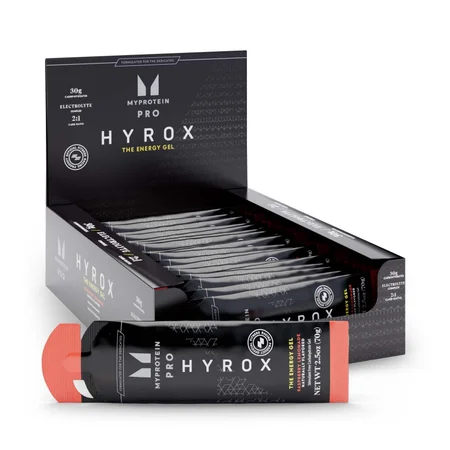
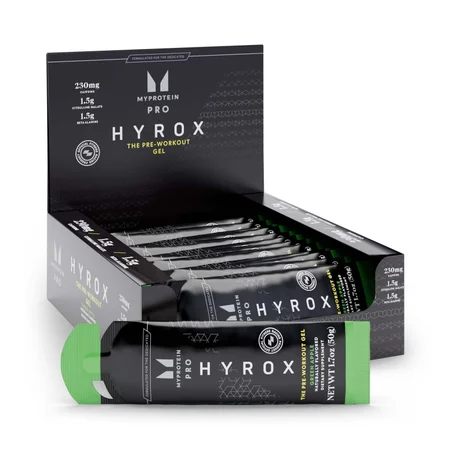
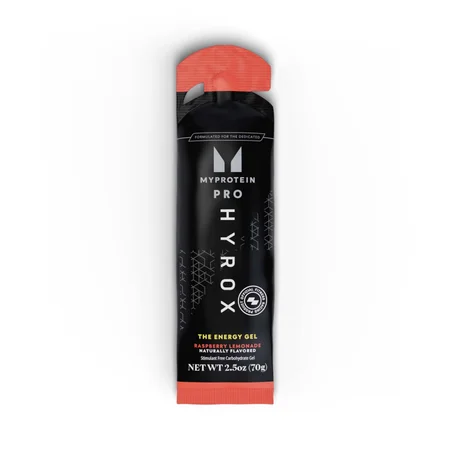
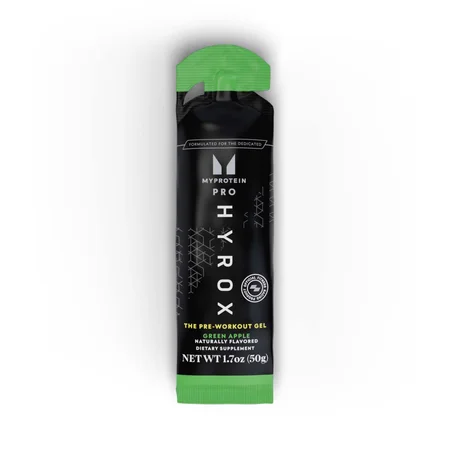
Shop Energy Gels at Myprotein
Running gels are one of the most practical fuelling tools in any endurance athlete's kit. Compact, fast to consume, and packed with carbohydrates, energy gels are designed to deliver fuel precisely when you need it — mid-run, mid-ride, or deep into a long training session. Whether you're clocking up miles on the road or pushing through a long-course race, having the right gel in your back pocket makes a measurable difference to how you perform.
At Myprotein, the range covers everything from straightforward carbohydrate gels to pre-workout formulas, built around the kind of ingredient profiles that serious athletes actually look for. Every product is developed with performance in mind — no unnecessary fillers, just the fuel you need in a format that's easy to take on the move.
Who Energy Gels Are For
Energy gels for running are a staple for anyone logging serious distance. Runners, cyclists, triathletes, and endurance athletes in general rely on them to maintain fuel availability across long efforts where solid food just isn't practical. If you're training for a half marathon, marathon, sportive, or any event lasting longer than an hour, running gels belong in your nutrition plan.
They're equally useful for athletes in team sports or high-intensity disciplines who need quick, easily digestible carbohydrates during competition. If you're someone who trains hard and wants a no-fuss fuelling format that fits into any kit bag, energy gels are built around that exact need.
When to Use Energy Gels
Timing matters with energy gels. For most endurance athletes, that means taking a gel 15–30 minutes before a long effort, and then every 30–45 minutes during activity to keep carbohydrate stores topped up. During exercise lasting longer than 60–90 minutes, carbohydrate availability becomes a key factor in how well you sustain your output — gels are formulated specifically for this window.
Pre-workout gels are slightly different — designed to be taken in the lead-up to a session rather than mid-activity. For post-session use, carbohydrates play a role in restoring glycogen stores, which is why many athletes also incorporate gels or carbohydrate products as part of their recovery nutrition. Carbohydrates contribute to the recovery of normal muscle function after highly intensive and/or long-lasting physical exercise leading to muscle fatigue and the depletion of glycogen stores in skeletal muscle.1
Energy Gels Benefits
Fast-Access Carbohydrates
Energy gels are built around rapidly available carbohydrates that the body can process quickly during exercise. Many formulas use a blend of carbohydrate sources — such as a 2:1 maltodextrin-to-fructose ratio — which makes use of different intestinal transporters to allow for greater carbohydrate uptake compared to single-source formulas. Carbohydrate solutions contribute to the improvement of physical performance during high-intensity and long-lasting physical exercise in trained adults.2
Convenient, On-the-Move Format
Unlike bars or solid food, gels require no chewing and are easy to take without breaking stride. A single serving fits in a race vest pocket, a jersey pocket, or the palm of your hand — making them one of the most practical mid-exercise fuelling formats available. That convenience is a big part of why endurance athletes have made running gels a race-day staple.
Precise, Measurable Dosing
Each gel delivers a defined amount of carbohydrate per serving — THE Energy Gel, for example, provides 30g of carbohydrates per serving. That consistency makes it straightforward to plan your fuelling strategy around exact intake, rather than estimating from food sources. For athletes who take their nutrition seriously, that precision matters.
Formulas Built for Different Training Goals
Not every session calls for the same approach. Standard energy gels cover long-duration fuelling, while pre-workout gel formulas are tailored to the specific demands of training preparation. Having a range means you can match the product to the session, rather than relying on a one-size-fits-all approach.
Popular Picks
THE Energy Gel — Built for dedicated athletes who need fast fuel mid-session, THE Energy Gel delivers 30g of carbohydrates in a 2:1 maltodextrin-to-fructose ratio, with added electrolytes and B vitamins that contribute to the reduction of tiredness and fatigue.
Myprotein THE Pre Workout Gel (Sample) (USA) — A sample-sized introduction to THE Pre Workout Gel, letting you try the formula before committing to a full pack.
Impact Whey Mass Gainer — For those looking to pack in serious calories, Impact Whey Mass Gainer delivers 388 calories, 30g of protein, and 50g of carbs in a single serving.
FAQs
What are energy gels and how do they work?
Energy gels are concentrated carbohydrate supplements in a gel format, designed to deliver fuel quickly during exercise. They typically contain fast-digesting carbohydrates — often a blend of maltodextrin and fructose — packaged in a small, portable sachet that's easy to consume mid-activity. Most athletes tear open the sachet and consume it directly, usually alongside water, making them one of the most efficient fuelling formats for endurance sport.
Are energy gels good for running?
Running gels are specifically well-suited to distance running because they're compact, require no chewing, and provide carbohydrates in a form the body can access relatively quickly during sustained effort. For runs lasting longer than 60–90 minutes, maintaining carbohydrate availability becomes increasingly important — gels are designed to address exactly that. Many runners take one gel every 30–45 minutes during long runs or races, often alongside water to aid absorption.
What's the difference between energy gels for running and pre-workout gels?
Standard energy gels are formulated for use during sustained physical activity, with the carbohydrate content geared towards maintaining fuel availability across a long effort. Pre-workout gels, like THE Pre Workout Gel, are designed to be taken before a session and may contain different ingredients targeting training preparation rather than mid-exercise fuelling. The right choice depends on where in your training session you need the most nutritional support.
How many carbohydrates do energy gels contain?
Carbohydrate content varies by product and format. THE Energy Gel delivers 30g of carbohydrates per serving, using a 2:1 maltodextrin-to-fructose ratio — a formulation commonly used in endurance nutrition to maximise carbohydrate uptake during exercise. Checking the nutrition information on each product gives you the exact figures to build your fuelling plan around.
When should I take running gels?
Most athletes take an energy gel 15–30 minutes before a long effort, then every 30–45 minutes throughout activity to keep fuel levels consistent. For shorter sessions under an hour, a gel beforehand is often sufficient. The exact timing depends on the intensity and duration of your session — harder, longer efforts generally require more frequent fuelling to maintain performance.
Do I need to take energy gels with water?
Taking energy gels alongside water is generally recommended, both to aid digestion and to maintain fluid intake during exercise. Consuming gels without adequate fluid can slow absorption and may cause gastrointestinal discomfort in some people. Most product guidelines will indicate whether water should be taken alongside — following those instructions will give you the best results.
What's the difference between energy gels and mass gainers for carbohydrate intake?
Energy gels are portable, single-serve formats built for use during exercise, delivering a defined dose of carbohydrates quickly and conveniently. Mass gainers like Impact Whey Mass Gainer are a different proposition entirely — with 50g of carbohydrates and 30g of protein per serving, they're designed as a substantial nutritional product typically consumed as part of a structured diet, not during physical activity. The format and purpose of each product are quite different.
Who develops the energy gel products at Myprotein?
Myprotein's energy gels are developed by Myprotein's expert nutritionists, who formulate each product around the specific demands of athletic performance and endurance training. That means every ingredient and dosage is considered in the context of real training scenarios, not just theoretical nutritional targets.
Can energy gels be used for cycling and other endurance sports, not just running?
Energy gels are a popular fuelling choice across endurance sports — cycling, triathlon, open-water swimming, and trail running among them. The portable format and carbohydrate-focused composition make them practical for any activity where solid food isn't easy to consume. Cyclists in particular often rely on gels during longer rides where maintaining carbohydrate intake is part of a structured nutrition strategy.
How do I choose the right energy gel for my training?
Start by identifying when in your session you need the fuel. For mid-exercise fuelling during long runs or rides, a standard energy gel like THE Energy Gel — with 30g of carbohydrates per serving and a 2:1 maltodextrin-to-fructose ratio — is a strong choice designed for the dedicated athlete. If you're looking to prepare for a high-intensity session, a pre-workout gel formula is worth exploring. Matching the product to your specific training goal gives you the most targeted approach.
1. Carbohydrates contribute to the recovery of normal muscle function (contraction) after highly intensive and/or long-lasting physical exercise leading to muscle fatigue and the depletion of glycogen stores in skeletal muscle.
2. Carbohydrate solutions contribute to the improvement of physical performance during a high-intensity and long-lasting physical exercise in trained adults.